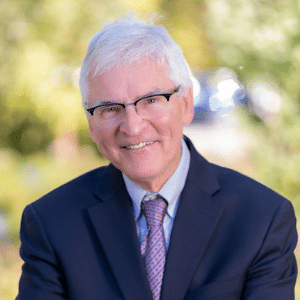
Joseph Alulis
Basic Program Instructor

In this program, you will explore great works of literature, philosophy, history, and social thought at the University of Chicago. You will closely read texts and participate in weekly discussions facilitated by world-class instructors. The Basic Program has no prerequisites for admission, no tests, no papers, and no grades. Our sole purpose is to provide learners from all walks of life with opportunities for discovery, deep reflection, and respectful dialogue.


The Great Books raise fundamental questions that remain as urgent and challenging as they have ever been. These books have been studied and cherished for generations because of their ambition, their clarity, and their beauty.
In the Basic Program, you’ll engage directly with primary texts, reflecting on what they meant to their first readers and what they can teach us in the present day.
The Basic Program is designed for individuals with a wide range of educational and professional backgrounds. Each cohort of lifelong learners brings a wealth of experiences and unique points of view into class discussions.

Our thoughtfully curated, interdisciplinary four-year curriculum covers influential works from ancient to modern times.
Experience the transformational power of reading and discussing Aristotle, Austen, Dante, Descartes, de Tocqueville, Homer, Plato, Shakespeare, and more. Dive into the texts that have shaped human history.
| Week | Seminar |
|---|---|
| 1-3 | Introduction; Sophocles, Antigone |
| 4-6 | Plato, Apology and Crito |
| 7-10 | Dostoevsky, Crime and Punishment |
| Week | Tutorial |
|---|---|
| 1-10 | Plato, Meno |
| Week | Seminar |
|---|---|
| 1-5 | Herodotus, The History (selections) |
| 6-10 | Aeschylus, Oresteia |
| Week | Tutorial |
|---|---|
| 1-10 | Aristotle, Nicomachean Ethics |
| Week | Seminar |
|---|---|
| 1-3 | Machiavelli, The Prince (selections) |
| 4-6 | Hobbes, Leviathan (selections) |
| 7-8 | Rousseau, Second Discourse |
| 9-10 | Shakespeare, The Tempest |
| Week | Tutorial |
|---|---|
| 1-10 | Shakespeare, Tragedy (Hamlet, 2025) |
| Week | Seminar |
|---|---|
| 1-3 | Sophocles, Oedipus the King |
| 4-6 | Aristotle, Poetics |
| 7-8 | Euripides, The Bacchae |
| 9-10 | Shakespeare, Antony and Cleopatra |
| Weel | Tutorial |
|---|---|
| 1-10 | Homer, The Iliad |
| Week | Seminar |
|---|---|
| 1-6 | Homer, The Odyssey |
| 7-8 | Joyce, A Portrait of the Artist as a Young Man |
| 9-10 | Woolf, A Room of One’s Own |
| Week | Tutorial |
|---|---|
| 1-10 | Plato, The Republic |
| Week | Seminar |
|---|---|
| 1-2 | Montaigne, Essays (selections) |
| 3-4 | Pascal, Pensées (selections) |
| 5-8 | Nietzche, On the Genealogy of Morals |
| 9-10 | Freud, Introductory Lectures on Psychoanalysis (selections) |
| Week | Tutorial |
|---|---|
| 1-10 | Bible (Genesis, Job, Matthew) |
| Week | Seminar |
|---|---|
| 1-5 | Euclid, Elements (Bk. I) |
| 6–10 | Descartes, Meditations |
| Week | Tutorial |
|---|---|
| 1-10 | Novel (War and Peace, 2024) |
| Week | Seminar |
|---|---|
| 1-2 | Aristotle, Physics (Bk. I, ch. 1; Bk. II) |
| 3–5 | Lucretius, The Nature of Things |
| 6-8 | Newton, Principia (selections) |
| 9-10 | Darwin, On the Origin of Species (selections) |
| Week | Tutorial |
|---|---|
| 1-6 | Virgil, The Aeneid |
| 7-10 | Augustine, Confessions |
| Week | Seminar |
|---|---|
| 1-3 | Aquinas, Treatise on Law (selections) |
| 4–5 | Locke, Second Treatise on Government |
| 6-10 | Kant, Grounding for the Metaphysics of Morals |
| Week | Tutorial |
|---|---|
| 1-10 | Dante, Inferno |
| Week | Seminar |
|---|---|
| 1-4 | Plutarch, Lives of the Noble Greeks and Romans (selections) |
| 5-7 | Plato, Symposium |
| 8–10 | Austen, Pride and Prejudice |
| Week | Tutorial |
|---|---|
| 1-10 | Thucydides, The Peloponnesian War |
| Week | Seminar |
|---|---|
| 1-4 | Aristotle, Politics (Bks. I, III) |
| 5-7 | Smith, Wealth of Nations (selections) |
| 8–10 | Marx, Economic and Philosophic Manuscripts of 1844, The Communist Manifesto and Capital (selections) |
| Week | Tutorial |
|---|---|
| 1-10 | Lyric Poetry |
| Week | Seminar |
|---|---|
| 1-2 | Declaration of Independence, Constitution, Federalist 10 + 51 |
| 3-5 | de Tocqueville, Democracy in America (selections) |
| 6 | Lincoln, Gettysburg Address, Second Inaugural |
| 7-10 | Toni Morrison, Beloved |
| Week | Tutorial |
|---|---|
| 1-10 | Plato, Phaedo |
For new students entering the Basic Program, we recommend our introductory course on How to Read Classic Texts.

Learn more about the Basic Program by watching this information session.
Our instructors provide guidance and insight, but they’re not in the class to tell you what to think. They equip you to analyze topics, interpret texts, and consider ideas yourself, with rigor and openness to different perspectives. Each week you’ll engage in lively conversations, challenge your own assumptions, and refine your point of view along with peers and instructors.




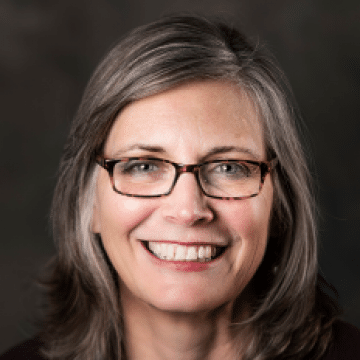








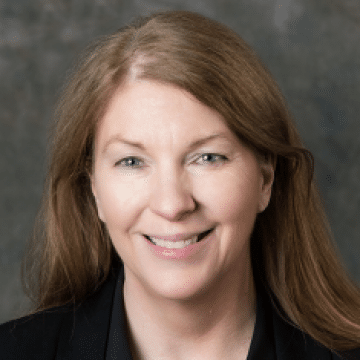





A great book tries to capture something very big and fundamental about the world, and it succeeds to an uncommon degree.
Noah Chafets Cyril O. Houle Chair of the Basic Program of Liberal Education for Adults
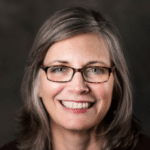
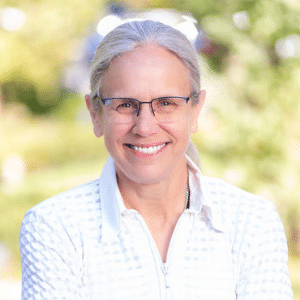
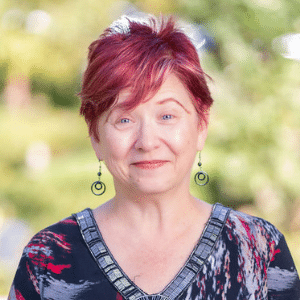
What is a ‘great book’? A book that has been impactful, that is well written, and that is in many ways timeless. We read Plato because we are human beings dealing with the fundamental ideas of humanity like happiness, virtue, and justice, and even though society has changed, these fundamental topics have not.
Zoë Eisenman Director of Academics and Basic Program instructor

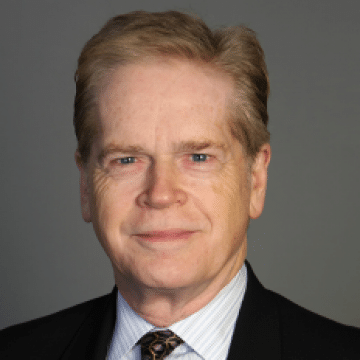
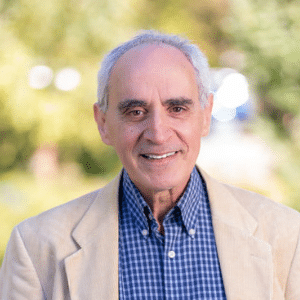
These are all adult learners who embarked on this journey because they wanted to and because they believe that a close reading of classic texts and thoughtful discussions about these works is a worthwhile way to spend one’s time, expand one’s mind, and enrich one’s soul.
Kendall Sharp Basic Program instructor

Join a diverse community of intellectually curious people who are passionate about exploring fundamental questions.
Immerse yourself in an inclusive and collaborative environment that encourages intellectual growth and fosters friendships that extend beyond the classroom.
Most new students begin in the Autumn Quarter. A limited number may start in the Winter Quarter, depending on section availability. Students who start in the Winter Quarter may take the course they missed in the autumn during the Summer Quarter.
Students progress through the Basic Program in order alongside the other members of their cohort. They take three courses per year, each of which builds on the courses that precede it. Students register for one quarter at a time.
Online classes have a minimum of 10 and a maximum of 18 students. In-person classes have a minimum of 10 and a maximum of 20 students.
The Basic Program is open to anyone who is interested in engaging with Great Books. There is no application. New students can register for the Year One Autumn or Winter course for the upcoming year. We strongly encourage new students seeking additional preparation to begin with the optional introductory course How to Read Classic Texts. This course develops close-reading skills and prepares students to engage meaningfully in classroom discussions.
While our courses are driven by live discussions, we do record the online sessions. If you miss a class, you can watch the recording to catch up. In Person classes are not recorded.
If you need to drop a course, please email us at graham@learningplatform.support to process your request. When reaching out, please include your full name, the course name and the section. If you made a donation during your course purchase, please confirm if you would like the donation refunded as well.
Courses dropped before the first day of class are eligible for a full refund. Courses dropped after the first class are subject to a 10% cancellation fee. No refund will be issued for courses dropped after the first week of classes.
If you miss one quarter, you can still continue on with your cohort in the following quarter and make up the one you missed at a later date. You can also “pause” the program and return to pick up where you left off at some point in the future.
While we strongly encourage students to stay with their cohorts, you can transfer to a different section if necessary.
Our Basic Program of Liberal Education for Adults will immerse you in timeless texts that have shaped the world, including works by Plato, Aristotle, Dante, Shakespeare, Jane Austen, and many, many others. Review the curriculum for more details.
Yes. These non-credit courses are built for adults who have life experience and want to learn. Our instructors encourage all students to participate, regardless of their educational background, creating an inclusive and collegial learning environment.
We offer both online and in-person sections for the Basic Program, so you can select the format that works best for you. For our online classes, you’ll sign into a Zoom meeting for each session prepared to engage in lively, respectful discussions about the assigned reading. Just as in a physical classroom, you will see and hear all members of your class as you take turns discussing issues and posing questions.
Most courses do require specific editions of the texts to ensure that all students are reading the same translation or can find the same passages using page numbers. Books can be purchased online from the University of Chicago Bookstore at the Gleacher Center or at any other bookstore using the ISBN numbers provided on the syllabus.
Your course will be available on the Graham Learning Platform three weeks before the start date. You’ll log in using the same credentials you used during registration. If you need help accessing your course, check out our helpful video tutorial.
Please email us at basicprogram@uchicago.edu, and our team will be happy to assist you.
To students who have completed at least two years of the Basic Program Core Curriculum we offer exclusive opportunities to continue their studies and engagement. These include:

These two-year, curated courses of study center on a specific era, culture or region. Each sequence incorporates a selection of classic texts belonging to various disciplines and traditions, deepening the conversations begun in the Core Curriculum. Students take one course per quarter over two years, emulating the cohort experience of the Basic Program Core Curriculum.
Each year, the Graham School hosts Spring Break in Greece. This is an opportunity for Basic Program students to travel with instructors and experience firsthand many of the historic places they encountered in the Core Curriculum readings. Trips include guided tours of museums and archaeological sites, as well as cultural activities and discussions of classic texts.


This Giving Day, support opportunities for curious minds to learn, connect, and grow through the liberal arts.

How a Lifelong Commitment to the Liberal Arts Continues to Inspire Students and Shape Future Generations

Bridging centuries of insight to understand our changing world.